Articles
August 27, 2026
Beverages serve as strategic growth lever for restaurants
New trends report finds drinks are more than a supporting menu category.
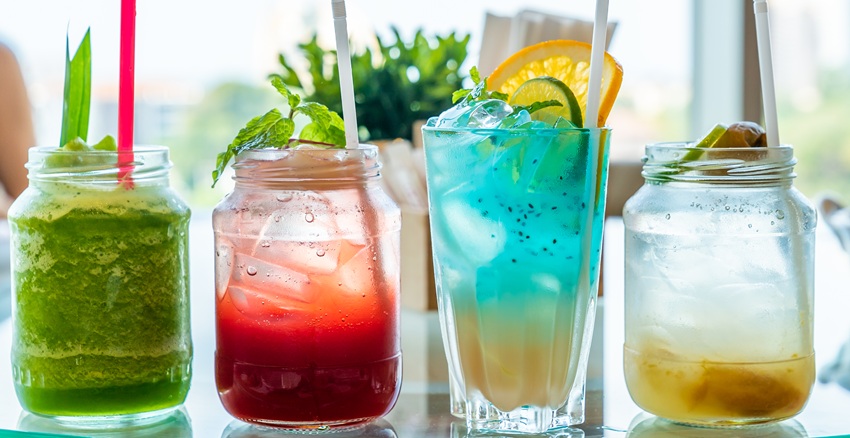
Drinks are highly customizable, visually appealing, and easy to promote through social media, loyalty programs, and limited time offers.
For restaurant operators, drinks can drive traffic, increase check averages, expand dayparts, strengthen loyalty, and differentiate brands, new National Restaurant Association research finds.
According to its new 2026 Beverage Trends report, opportunities among Gen Z and millennial customers appear particularly strong, as they’re the ones who are most adventurous, driving restaurants' beverage-only occasions, especially in the mid-afternoon. Consumers also say they’re seeking more choices across a variety of categories, including specialty lemonades, juices, smoothies, teas, coffee drinks, craft sodas and other flavor-forward, nonalcoholic beverages.
“Beverages are one of the clearest growth opportunities on the menu today,” said Chad Moutray, the Association’s chief economist and senior vice president of research. “Consumers, especially younger adults, want more innovative and customizable drink options, thus creating new opportunities to drive traffic, increase check averages, and build loyalty.”
The report further states that at fullservice restaurants, alcohol programs could benefit from a greater emphasis on discovery, local sourcing, tastings, pairings, and events. Convenient takeout and delivery formats, where legally permitted, can also further extend those programs beyond the dining room.
Off-premises beverage service represents another significant opportunity. While many customers don’t regularly add drinks to takeout and delivery orders, the report claims 83% of delivery customers would order them more often if they were better packaged. Improved packaging, portability, and presentation could, therefore, unlock additional sales without major menu changes, the report indicates.
It also underscores beverages’ broader strategic value: Drinks are highly customizable, visually appealing, and easy to promote through social media, loyalty programs, and limited time offers. They could create repeatable purchase occasions, help restaurants reach customers between traditional meals, and give brands a way to compete with beverage-focused specialists.
The report further finds that operators could begin taking advantage of those opportunities by auditing sales by daypart, channel, guest segment, and attach rate. The research specifically focuses on opportunities such as afternoon beverage-only occasions, improving delivery packaging, and creating drive-thru bundles, loyalty promotions, and offering premium nonalcoholic drinks.
The research also notes that operators could achieve success through a pipeline of beverages that are distinctive, simple to execute, visually appealing, customizable, and fast to produce. In addition, promotions, such as BOGO offers, entrée-and-beverage discounts, free refills, size upgrades, and profitable add-ons, should be tested and measured.
National Restaurant Association members can download the full 2026 Beverage Trends report for free
According to its new 2026 Beverage Trends report, opportunities among Gen Z and millennial customers appear particularly strong, as they’re the ones who are most adventurous, driving restaurants' beverage-only occasions, especially in the mid-afternoon. Consumers also say they’re seeking more choices across a variety of categories, including specialty lemonades, juices, smoothies, teas, coffee drinks, craft sodas and other flavor-forward, nonalcoholic beverages.
Beverages are important traffic drivers
Operators recognize the potential, with 87% of fullservice and 80% of limited-service restaurateurs indicating that beverages are strategic traffic drivers for their businesses.“Beverages are one of the clearest growth opportunities on the menu today,” said Chad Moutray, the Association’s chief economist and senior vice president of research. “Consumers, especially younger adults, want more innovative and customizable drink options, thus creating new opportunities to drive traffic, increase check averages, and build loyalty.”
The report further states that at fullservice restaurants, alcohol programs could benefit from a greater emphasis on discovery, local sourcing, tastings, pairings, and events. Convenient takeout and delivery formats, where legally permitted, can also further extend those programs beyond the dining room.
Off-premises beverage service represents another significant opportunity. While many customers don’t regularly add drinks to takeout and delivery orders, the report claims 83% of delivery customers would order them more often if they were better packaged. Improved packaging, portability, and presentation could, therefore, unlock additional sales without major menu changes, the report indicates.
It also underscores beverages’ broader strategic value: Drinks are highly customizable, visually appealing, and easy to promote through social media, loyalty programs, and limited time offers. They could create repeatable purchase occasions, help restaurants reach customers between traditional meals, and give brands a way to compete with beverage-focused specialists.
Take advantage of all opportunities
The appeal is clear, especially for operators working with tight costs and navigating uneven traffic. Focused beverage strategies could add sales without requiring a complete menu overhaul.The report further finds that operators could begin taking advantage of those opportunities by auditing sales by daypart, channel, guest segment, and attach rate. The research specifically focuses on opportunities such as afternoon beverage-only occasions, improving delivery packaging, and creating drive-thru bundles, loyalty promotions, and offering premium nonalcoholic drinks.
The research also notes that operators could achieve success through a pipeline of beverages that are distinctive, simple to execute, visually appealing, customizable, and fast to produce. In addition, promotions, such as BOGO offers, entrée-and-beverage discounts, free refills, size upgrades, and profitable add-ons, should be tested and measured.
National Restaurant Association members can download the full 2026 Beverage Trends report for free
Powered by
-
Coca-Cola CompanyFor the past 20 years, the Coca-Cola Company has partnered with the National Restaurant Association Educational Foundation to develop new leaders and talent, while giving employees the ability to advance their skills and increase their income. Today, The Coca-Cola Company launched their Coca-Cola Leader Lab , a people-centric leadership program that addresses a significant issue facing the future of foodservice: attracting, developing and retaining an engaged frontline workforce.Learn more

Get the report
Get the report
Sign up for our Newsletter
The latest news from the National Restaurant Association, published every other Thursday
By clicking Submit I agree to receive email communications from the National Restaurant Association and agree to our Privacy Policy(Opens in a new window).