CEO: Association continues to track Cyclospora outbreak
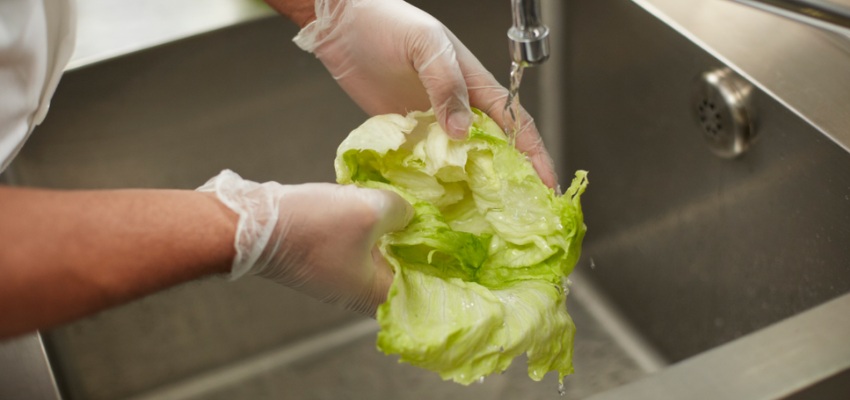
Always wash produce, especially leafy greens, thoroughly under running, drinkable water. This step is essential before cutting, cooking, or combining it with other ingredients.
Health officials are continuing to investigate a multistate outbreak of Cyclospora cavetanensis, a parasitic intestinal illness that, as of July 21, has resulted in more than 4,173 cases and 308 hospitalizations across the United States. No deaths have been reported.
According to officials from the U.S. Centers for Disease Control and Prevention and U.S. Food & Drug Administration, as of July 24, the suspected cause of the outbreak—now expanded from five to nine states—has been traced back to precut, bagged iceberg lettuce from Taylor Farms, who sourced the product from a grower in Guanajuato, Mexico. In those states, more than 1,947 illnesses and 98 hospitalizations have been reported. The investigation, however, is ongoing.
People become infected with Cyclospora when consuming food or water that contains the parasite. Symptoms usually begin about a week after ingesting contaminated food or water, and may include diarrhea, substantial weight loss, fatigue, abdominal pain, vomiting, nausea, and low-grade fever.Prioritizing safety of customers and employees
Michelle Korsmo, President & CEO of the National Restaurant Association, emphasized that its food safety experts are also continuing to track the outbreak and are in contact with the CDC, USDA, and other food safety experts around the country to collect and share information on steps restaurants should take.“Serving nearly 200 million guests each day in communities nationwide, restaurants are some of the most regulated businesses consumers use each day,” she said. “The FDA’s Food Code, along with state and local regulations, provide very specific public health rules regarding food safety, sanitation, and hygiene that restaurant workers must follow. Consumers should know that the restaurant industry will continue to prioritize food safety to keep their customers and employees safe.”
Korsmo also noted that these regulations are the foundation for food safety certifications and training programs, which have been instructing, training, and testing restaurant employees on food safety best practices for many years, and that the Food Code requires every restaurant to have at least one food safety certified manager working on every shift.
6 tips to help curtail spread of Cyclospora
According to the FDA, restaurants should transition from prebagged, pre-cut salad mixes to using whole produce, or even pause serving high-risk raw items, like lettuce, basil, and cilantro. They also recommend that operators prioritize serving cooked dishes and communicate the strict prep methods they use to customers.Patrick Guzzle, the Association’s vice president of food safety, advises all restaurants to always follow a series of food safety best practices when preparing food. The following six, from the ServSafe Manager 9th Edition training guide, can help prevent the spread of pathogens, such as Cyclospora.
- Always work on clean surfaces. Before touching produce, all workstations, cutting boards, and utensils should be cleaned and sanitized. Avoid cross-contamination by ensuring that fresh fruits and vegetables never touch surfaces that have been in contact with raw meat, poultry, or seafood.
- Practice frequent handwashing. Parasites, like Cyclospora, are easily transferred to food by contaminated fingers, so handwashing is a most important line of defense. Always wash the palms and tops of the hands all the way to the wrists vigorously with soap and warm water for at least 20 seconds before beginning to prep food.
- Rinse the produce under running water. Always wash produce, especially leafy greens, thoroughly under running, drinkable water. This step is essential before cutting, cooking, or combining it with other ingredients. One important tip: make sure the running water is slightly warmer than the temperature of the produce.
- Pay extra attention to leafy greens. Pathogens can easily be hidden in the folds of leafy greens like lettuce and spinach, so peel off the outer leaves first to clean them properly. Also, pull the greens all the way apart so you can rinse every part thoroughly under the running water.
- Soak the produce carefully. When soaking produce or storing it in standing water or an ice-water slurry, never mix different types or multiple batches of the same item together. Mixing items in standing water can easily allow pathogens to spread from one contaminated batch to the clean produce.
- Refrigerate cut produce carefully. Once the produce is washed and cut, it is considered “ready-to-eat.” Fresh-cut produce, such as sliced melons, cut tomatoes, and cut leafy greens, must be promptly refrigerated and held at 41°F (5°C) or lower to prevent any surviving bacteria from growing. Keep unwashed produce separated from ready-to-eat foods.
In addition to the training guide, the Association’s 2024 Always Ready: Foodborne Illness Outbreak guide provides a step-by-step template for creating a preparedness plan for preventing and responding to foodborne illness outbreaks.
For more information on food safety training and best practices in restaurants, visit ServSafe.com
Sign up for our Newsletter
The latest news from the National Restaurant Association, published every other Thursday
By clicking Submit I agree to receive email communications from the National Restaurant Association and agree to our Privacy Policy(Opens in a new window).