Articles
August 17, 2026
How to handle recalled produce during a foodborne illness
FDA offers guidelines on what to do at your establishment
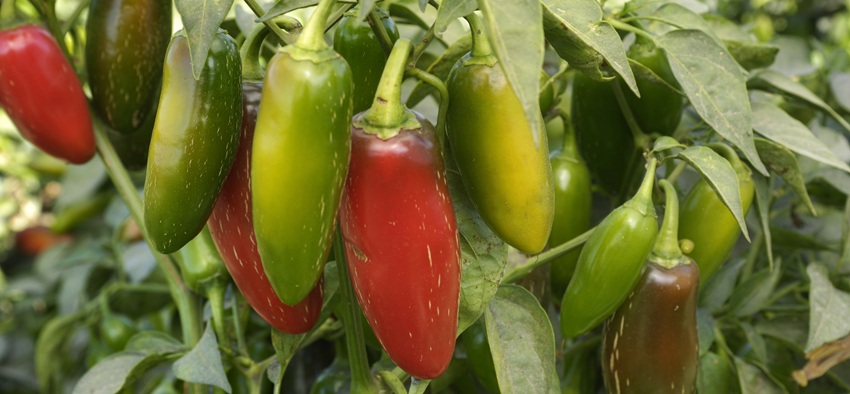
The FDA and CDC have cited jalapeño peppers from Mexico as the suspected source of the salmonella outbreak. They have been recalled.
U.S. health officials are continuing to investigate several cyclospora outbreaks that, since May, have sickened some 13,895 people, and a salmonella outbreak that has affected individuals in 27 states.
According to the U.S. Food & Drug Administration, symptoms associated with Cyclospora usually take about a week to 14 days (or more)—to surface after ingesting contaminated food or water. These include diarrhea, substantial weight loss, fatigue, abdominal pain, vomiting, nausea, and low-grade fever. Salmonella illnesses can result in diarrhea, fever, and stomach cramps, with symptoms usually starting 12 to 72 hours after swallowing the bacteria.
The FDA and the U.S. Centers for Disease Control and Prevention have cited imported iceberg lettuce as the suspected source of one cyclospora outbreak and jalapeño peppers as the suspected source of the salmonella outbreak. Both products were reportedly sourced from growers/suppliers in Mexico and have been recalled.
There are a few ways to get information on product recalls. They include first consulting suppliers and distributors; then, monitoring FDA recall alerts; subscribing to USDA/FSIS alerts (for meat, poultry, and egg products); and consulting with local health departments.
Restaurant and foodservice operators who’ve received any of the affected produce should follow these FDA guidelines:
Learn about ServSafe food safety training and certification
According to the U.S. Food & Drug Administration, symptoms associated with Cyclospora usually take about a week to 14 days (or more)—to surface after ingesting contaminated food or water. These include diarrhea, substantial weight loss, fatigue, abdominal pain, vomiting, nausea, and low-grade fever. Salmonella illnesses can result in diarrhea, fever, and stomach cramps, with symptoms usually starting 12 to 72 hours after swallowing the bacteria.
The FDA and the U.S. Centers for Disease Control and Prevention have cited imported iceberg lettuce as the suspected source of one cyclospora outbreak and jalapeño peppers as the suspected source of the salmonella outbreak. Both products were reportedly sourced from growers/suppliers in Mexico and have been recalled.
There are a few ways to get information on product recalls. They include first consulting suppliers and distributors; then, monitoring FDA recall alerts; subscribing to USDA/FSIS alerts (for meat, poultry, and egg products); and consulting with local health departments.
Restaurant and foodservice operators who’ve received any of the affected produce should follow these FDA guidelines:
- Stop serving or selling recalled produce, whether fresh or frozen because produce stored at cold temperatures can still be contaminated
- Keep recalled produce away from other foods and from any equipment, utensils, and linens, among other things
- Carefully clean and sanitize any surfaces or containers that the products have touched
- Determine if cross-contamination with other foods may have happened
- Determine the source of the produce, or the supplier if the source of the fresh/frozen produce is unknown
- Follow all instructions from the source or supplier on how to return or dispose of the recalled produce
- Employees should wash their hands thoroughly after handling recalled produce
- Wash any clothing and linens that may have been contaminated
Learn about ServSafe food safety training and certification
Sign up for our Newsletter
The latest news from the National Restaurant Association, published every other Thursday
By clicking Submit I agree to receive email communications from the National Restaurant Association and agree to our Privacy Policy(Opens in a new window).