Articles
February 13, 2026
Report: Sales to hit $1.55T in 2026 despite challenging business environment
Success will hinge on operators’ ability to ‘get the math right.’
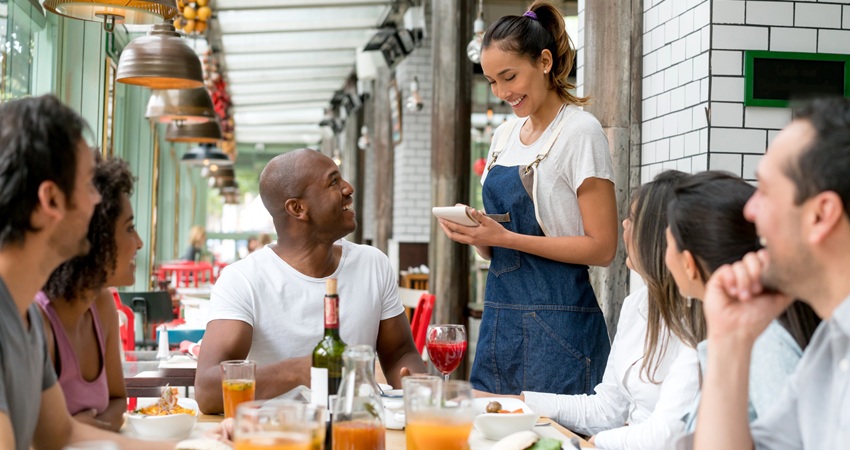
The report forecasts more positivity, fueled by diners’ desire to partake in the flavors, convenience, and social experiences that restaurants provide.
Despite a projection for cautious optimism amid modest sales growth, restaurant operators will need to demonstrate resilience and innovation to manage the restrained spending of their guests while meeting their heightened demands at the same time, the National Restaurant Association’s 2026 State of the Restaurant Industry reports.
The industry will again face numerous challenges—as it did last year—including higher operating expenses, such as increased food and labor costs, evolving immigration policies and shifts in consumer behavior, says Dr. Chad Moutray, the Association’s Chief Economist and Senior Vice President of Research.
“Success in 2026 will hinge on the ability of operators to get the math right in a still-challenging economic environment,” Moutray said. “Following a year when 60% of operators reported decreased traffic, there is cautious optimism for improvement. At the same time, however, they’ll have to remain laser focused on controlling costs while also delivering value and providing satisfying menu innovation that resonates with consumers.”
While the economic pressures will persist, the report also forecasts more positivity, fueled by the U.S. consumer’s desire to partake in the flavors, convenience, and social experiences that restaurants provide.
Annual industry sales in 2026 will reach $1.55T, although real (inflation-adjusted) sales growth is expected to remain relatively modest at 1.3%, and the total number of employees will grow by 100K to reach 15.8M.
As the job market impacts spending power, the Association will continue to watch for changes in hiring. But the potential for increased economic growth later this year could bolster confidence and support additional spending.
When it comes to how consumers spend at restaurants in 2026, the majority (61%) say they still consider restaurants essential to their lifestyles and will continue prioritizing dining out. However, they also note that value offerings, like discounts and daily specials, and loyalty programs will influence their restaurant choices, both on- and off-premises.
Some of the most crucial information surrounds the industry’s acceptance and deployment of workforce development and technological improvements. According to the report, this includes:
When it comes to increasing their use of technology, 60% of operators say their restaurants are in the technology mainstream, while nearly 3 in 10 think they’re lagging, and only 1 in 10 consider themselves to be at the forefront of technological innovation compared to their peers.
Topping the list of areas impacted by technology are on-premises ordering and payment, marketing/advertising, customer feedback, and back-office functions.
Many operators also say they’re planning to utilize breakthrough efficiencies, such as digital ordering, automation, and data analytics, to streamline their operations, reduce costs, enhance the customer’s experience, and drive long-term competitiveness.
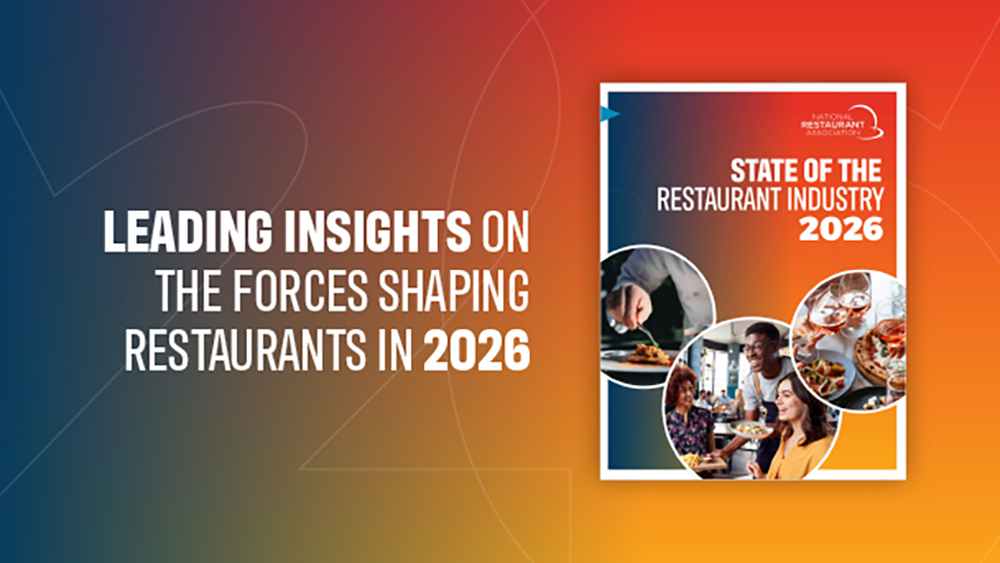
Download the full 2026 State of the Restaurant Industry report. It’s free for members and $349 for nonmembers.
The industry will again face numerous challenges—as it did last year—including higher operating expenses, such as increased food and labor costs, evolving immigration policies and shifts in consumer behavior, says Dr. Chad Moutray, the Association’s Chief Economist and Senior Vice President of Research.
“Success in 2026 will hinge on the ability of operators to get the math right in a still-challenging economic environment,” Moutray said. “Following a year when 60% of operators reported decreased traffic, there is cautious optimism for improvement. At the same time, however, they’ll have to remain laser focused on controlling costs while also delivering value and providing satisfying menu innovation that resonates with consumers.”
While the economic pressures will persist, the report also forecasts more positivity, fueled by the U.S. consumer’s desire to partake in the flavors, convenience, and social experiences that restaurants provide.
Annual industry sales in 2026 will reach $1.55T, although real (inflation-adjusted) sales growth is expected to remain relatively modest at 1.3%, and the total number of employees will grow by 100K to reach 15.8M.
Addressing the challenging business environment
The report focuses on three main areas affecting the current business environment.- Operating conditions will remain difficult: Uneven traffic and rising costs will continue to strain revenue and profitability, and those elevated expenses will reinforce the need for operational efficiency and creativity.
- Profitability will be challenging: According to the data, 42% of operators said their restaurants were not profitable in 2025, and that they had limited ability to raise menu prices. As a result, margin pressures will remain a concern in 2026.
- Resilience and creativity will be essential: Technology is becoming an essential tool for managing operations costs, while delivering the value and experiences customers want and the research shows that customers now expect technology will be a part of their restaurant experiences.
As the job market impacts spending power, the Association will continue to watch for changes in hiring. But the potential for increased economic growth later this year could bolster confidence and support additional spending.
When it comes to how consumers spend at restaurants in 2026, the majority (61%) say they still consider restaurants essential to their lifestyles and will continue prioritizing dining out. However, they also note that value offerings, like discounts and daily specials, and loyalty programs will influence their restaurant choices, both on- and off-premises.
Some of the most crucial information surrounds the industry’s acceptance and deployment of workforce development and technological improvements. According to the report, this includes:
- Creating a future-ready workforce
- Investment in training and tools that equip employees for evolving roles
- The ability to blend hospitality with technology-driven efficiency.
When it comes to increasing their use of technology, 60% of operators say their restaurants are in the technology mainstream, while nearly 3 in 10 think they’re lagging, and only 1 in 10 consider themselves to be at the forefront of technological innovation compared to their peers.
Topping the list of areas impacted by technology are on-premises ordering and payment, marketing/advertising, customer feedback, and back-office functions.
Many operators also say they’re planning to utilize breakthrough efficiencies, such as digital ordering, automation, and data analytics, to streamline their operations, reduce costs, enhance the customer’s experience, and drive long-term competitiveness.
Download the full 2026 State of the Restaurant Industry report. It’s free for members and $349 for nonmembers.
Get the report
Get the report
Sign up for our Newsletter
The latest news from the National Restaurant Association, published every other Thursday
By clicking Submit I agree to receive email communications from the National Restaurant Association and agree to our Privacy Policy(Opens in a new window).