Articles
July 21, 2026
Switch in live sports streaming concerns operators
Restaurateur testifies before Congress on impact it will have on business.
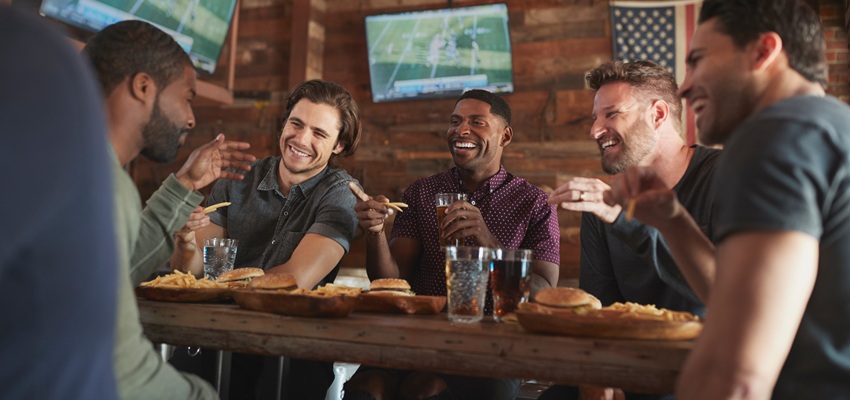
"Customers don't care what app a game is on," Hallers said. "They just expect us to have it."
The founder of a Texas-based sports bar chain recently told members of Congress that the rapid shift of live sports from traditional television to streaming platforms is driving up costs and creating operational headaches for him and other operators who rely on attracting game-day crowds to their restaurants.
Jim Hallers, founder and managing partner of Tailgators Pub & Grill and Citizens Grill in Houston, testified June 10 before the House Judiciary Committee's Subcommittee on Administrative State, Regulatory Reform and Antitrust, at a hearing examining the future of the Sports Broadcasting Act.
Passed in 1961, it grants professional sports leagues limited antitrust immunity, allowing them to pool their broadcasting rights and negotiate collective, league-wide television contracts instead of individual teams negotiating separately. It is currently under review by Congress due to concerns over escalating streaming costs, paywalls, and exclusive platform agreements. As a result, the lawmakers are examining whether leagues, like the NFL, are abusing their antitrust exemptions, and exploring a potential reform of the law.
"Customers don't care what app a game is on," Hallers said in his prepared remarks. "They just expect us to have it."
Hallers, who opened Tailgators Pub & Grill in 2009, after working in information technology for 25 years, has built, acquired, or sold more than a dozen restaurants and bars, and employed more than 400 people over the last 27 years.
He said he built his business around showing every NFL game on dozens of televisions through DIRECTV's commercial version of NFL Sunday Ticket, a package that helped attract fans of teams from across the country to his suburban Houston locations. But that model has become increasingly difficult to maintain as sports programming has migrated to various platforms, including Prime Video, Peacock, Netflix, and YouTube.
Though home viewers can simply download another app, Hallers testified that restaurants face far greater technical demands. Sports bars, he said, must deliver multiple live streams simultaneously to dozens of televisions, while also supporting point-of-sale systems, online ordering, security cameras, customer Wi-Fi and other business operations, and the required infrastructure is expensive. A commercial video switch capable of handling enough inputs and outputs could cost more than $15,000, while a full technology upgrade—including equipment, wiring, and installation—could run between $30,000 and $40,000 per restaurant.
Sean Kennedy, the Association’s chief advocacy officer, said the Association is calling for a pause on the transition to EverPass—at least for this season—to give restaurants more time to plan and figure out the technology.
“A lot of operators now have a big decision to make about how they’ll broadcast NFL games on Sunday,” he said. “Moving over to EverPass is going to be a big technical and financial change, especially for those restaurants relying on NFL traffic to drive revenue. It could put them in a world of hurt.”
Hallers agreed, saying the shift to EverPass would add yet another layer of cost and complexity on businesses that already operate on thin margins amid challenging economic times—rising labor, food, insurance, and utility costs. He also noted that while he’s not opposed to streaming or technological innovation, he’s urging lawmakers to review the Sports Broadcasting Act and consider the challenges that establishments like his face.
"We need a transition that recognizes the realities of running a small business, something that protects customer access, and allows restaurants like mine to keep investing in our employees, our communities, and the fans who gather with us every Sunday,” he said.
Jim Hallers, founder and managing partner of Tailgators Pub & Grill and Citizens Grill in Houston, testified June 10 before the House Judiciary Committee's Subcommittee on Administrative State, Regulatory Reform and Antitrust, at a hearing examining the future of the Sports Broadcasting Act.
Passed in 1961, it grants professional sports leagues limited antitrust immunity, allowing them to pool their broadcasting rights and negotiate collective, league-wide television contracts instead of individual teams negotiating separately. It is currently under review by Congress due to concerns over escalating streaming costs, paywalls, and exclusive platform agreements. As a result, the lawmakers are examining whether leagues, like the NFL, are abusing their antitrust exemptions, and exploring a potential reform of the law.
Challenges mount for sports bars nationwide
Testifying on behalf of the National Restaurant Association and the Texas Restaurant Association, its state partner, Hallers told the lawmakers that sports bars have become integral to the fan experience but face mounting challenges as the leagues spread their broadcasting rights across multiple streaming services."Customers don't care what app a game is on," Hallers said in his prepared remarks. "They just expect us to have it."
Hallers, who opened Tailgators Pub & Grill in 2009, after working in information technology for 25 years, has built, acquired, or sold more than a dozen restaurants and bars, and employed more than 400 people over the last 27 years.
He said he built his business around showing every NFL game on dozens of televisions through DIRECTV's commercial version of NFL Sunday Ticket, a package that helped attract fans of teams from across the country to his suburban Houston locations. But that model has become increasingly difficult to maintain as sports programming has migrated to various platforms, including Prime Video, Peacock, Netflix, and YouTube.
Though home viewers can simply download another app, Hallers testified that restaurants face far greater technical demands. Sports bars, he said, must deliver multiple live streams simultaneously to dozens of televisions, while also supporting point-of-sale systems, online ordering, security cameras, customer Wi-Fi and other business operations, and the required infrastructure is expensive. A commercial video switch capable of handling enough inputs and outputs could cost more than $15,000, while a full technology upgrade—including equipment, wiring, and installation—could run between $30,000 and $40,000 per restaurant.
A pause on EverPass?
Hallers further pointed out that beginning with the 2026 NFL season, EverPass would become the commercial provider for NFL Sunday Ticket, but that the transition wouldn’t eliminate the need for additional television providers since restaurants would still have to carry local broadcasts and other programming their customers expect.Sean Kennedy, the Association’s chief advocacy officer, said the Association is calling for a pause on the transition to EverPass—at least for this season—to give restaurants more time to plan and figure out the technology.
“A lot of operators now have a big decision to make about how they’ll broadcast NFL games on Sunday,” he said. “Moving over to EverPass is going to be a big technical and financial change, especially for those restaurants relying on NFL traffic to drive revenue. It could put them in a world of hurt.”
Hallers agreed, saying the shift to EverPass would add yet another layer of cost and complexity on businesses that already operate on thin margins amid challenging economic times—rising labor, food, insurance, and utility costs. He also noted that while he’s not opposed to streaming or technological innovation, he’s urging lawmakers to review the Sports Broadcasting Act and consider the challenges that establishments like his face.
"We need a transition that recognizes the realities of running a small business, something that protects customer access, and allows restaurants like mine to keep investing in our employees, our communities, and the fans who gather with us every Sunday,” he said.
Sign up for our Newsletter
The latest news from the National Restaurant Association, published every other Thursday
By clicking Submit I agree to receive email communications from the National Restaurant Association and agree to our Privacy Policy(Opens in a new window).